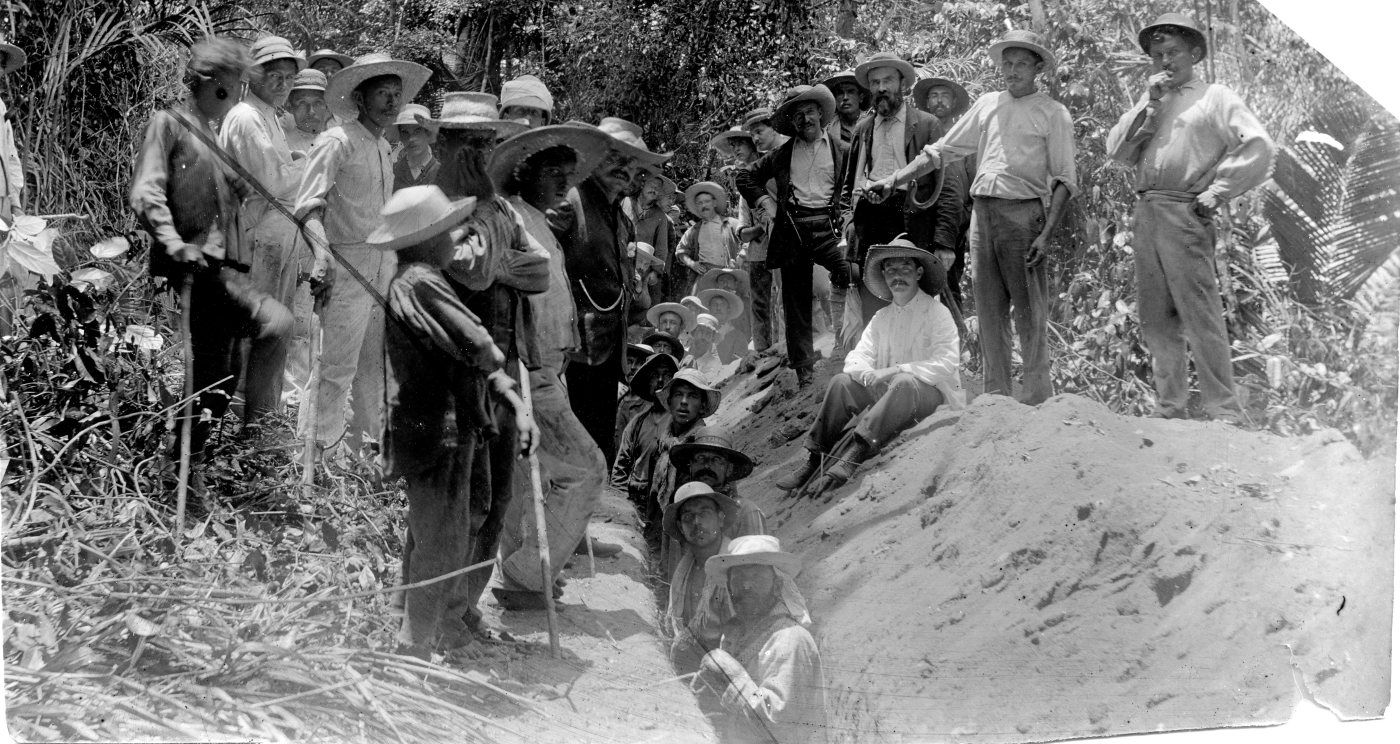
By James Catmur, IET guest blog James Catmur had been in touch with the IET Archives whilst researching his great grand uncle who had been a member of the IEE (Institution of Electrical Engineers). More research ensued which led to... Continue Reading →

By Asha Gage, IET Archivist Sir William Armstrong, later 1st Baron Armstrong, was one of the most successful British industrialists and scientists of the 19th century. He turned his vision and inventiveness to his country residence, Cragside, which is situated... Continue Reading →

By Aisling O’Malley, IET Archivist The Dynasphere was created by engineer Dr John Archibald Purves who reportedly claimed it was the ‘high speed vehicle of the future’. Indeed, many publications at the time were open to the idea that this... Continue Reading →

Dr Tom Abram, Director , Archives of IT I wrote here last year about Archives of IT https://archivesit.org.uk and our project to gather oral history from the people of the IT and Telecommunications industries. A year on, here is some... Continue Reading →
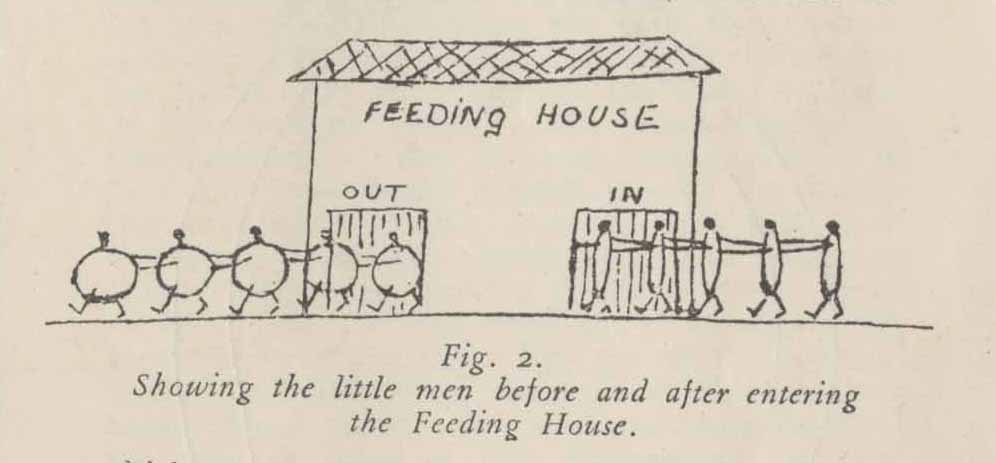
By Aisling O'Malley, IET Archivist In November 1924, the Women’s Electrical Association was formed at a meeting organised by the Women’s Engineering Society (WES). By 1925 the organisation, whose director at this time was WES Secretary Dame Caroline Haslett, was... Continue Reading →
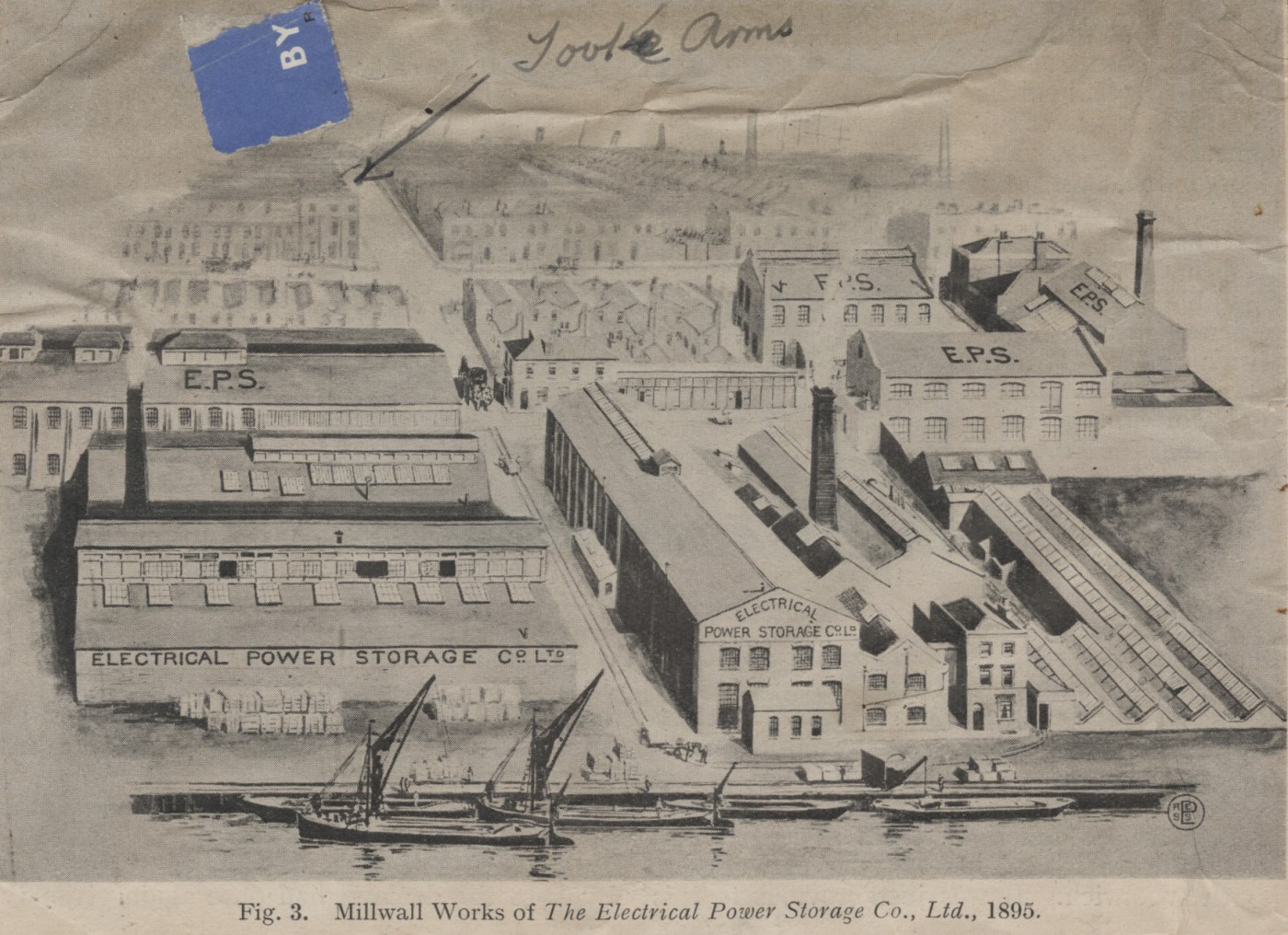
By Asha Gage, IET Archivist In 1882 The Electrical Power Storage Company (EPS) was established at 4 Great Winchester Street, London with a factory works at 84 West Ferry Road, Millwall. It manufactured the Swan-Sellon-Volckmar accumulator, and it could be... Continue Reading →
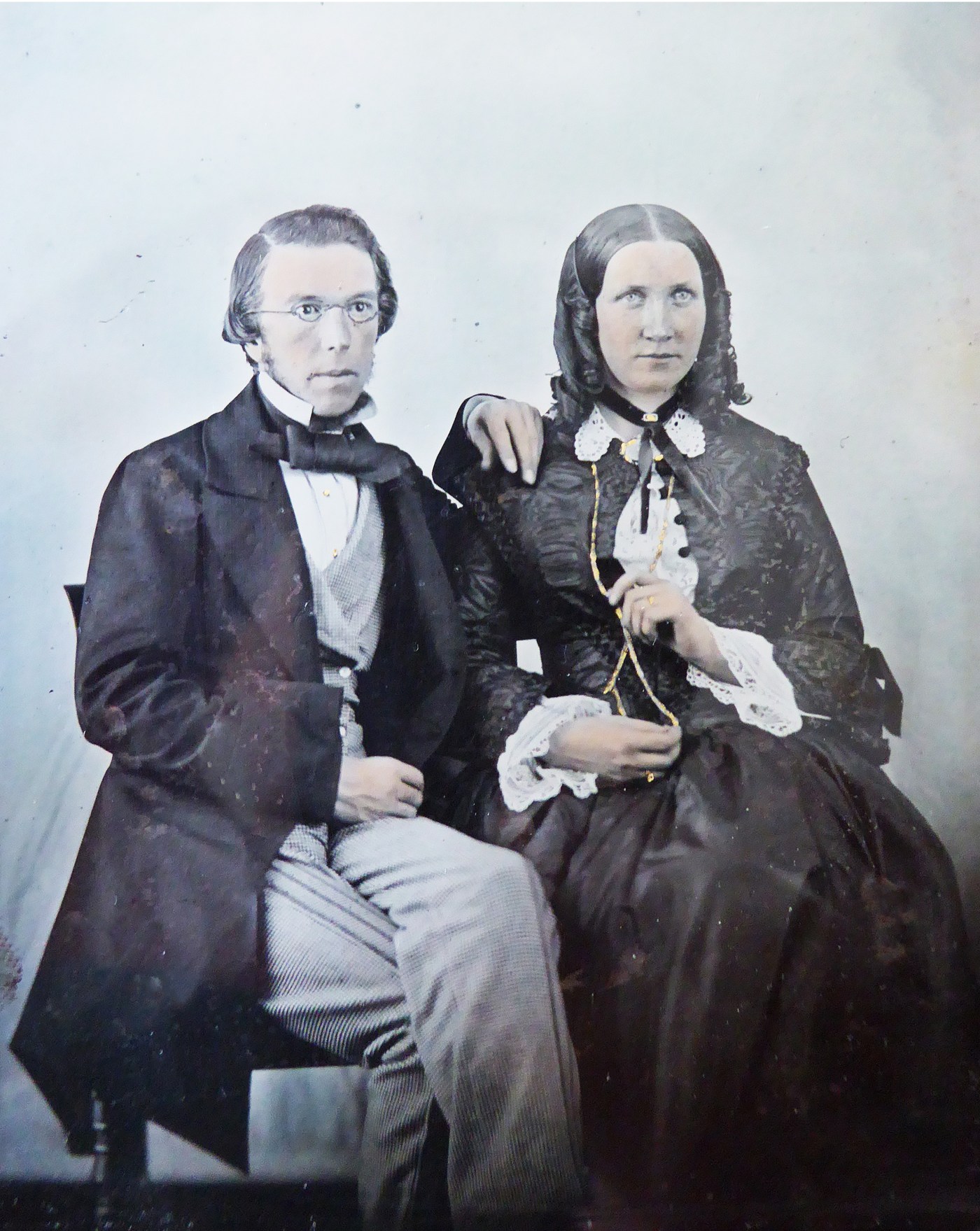
Guest author, Stephen Gillam-Smith BSc CEng MIET (Great-Grandson of Charles and Alice Todd) Alice Springs was named after the wife of Charles Todd who, in 1873, was elected a Member of the Society of Telegraph Engineers, the predecessor of today’s... Continue Reading →
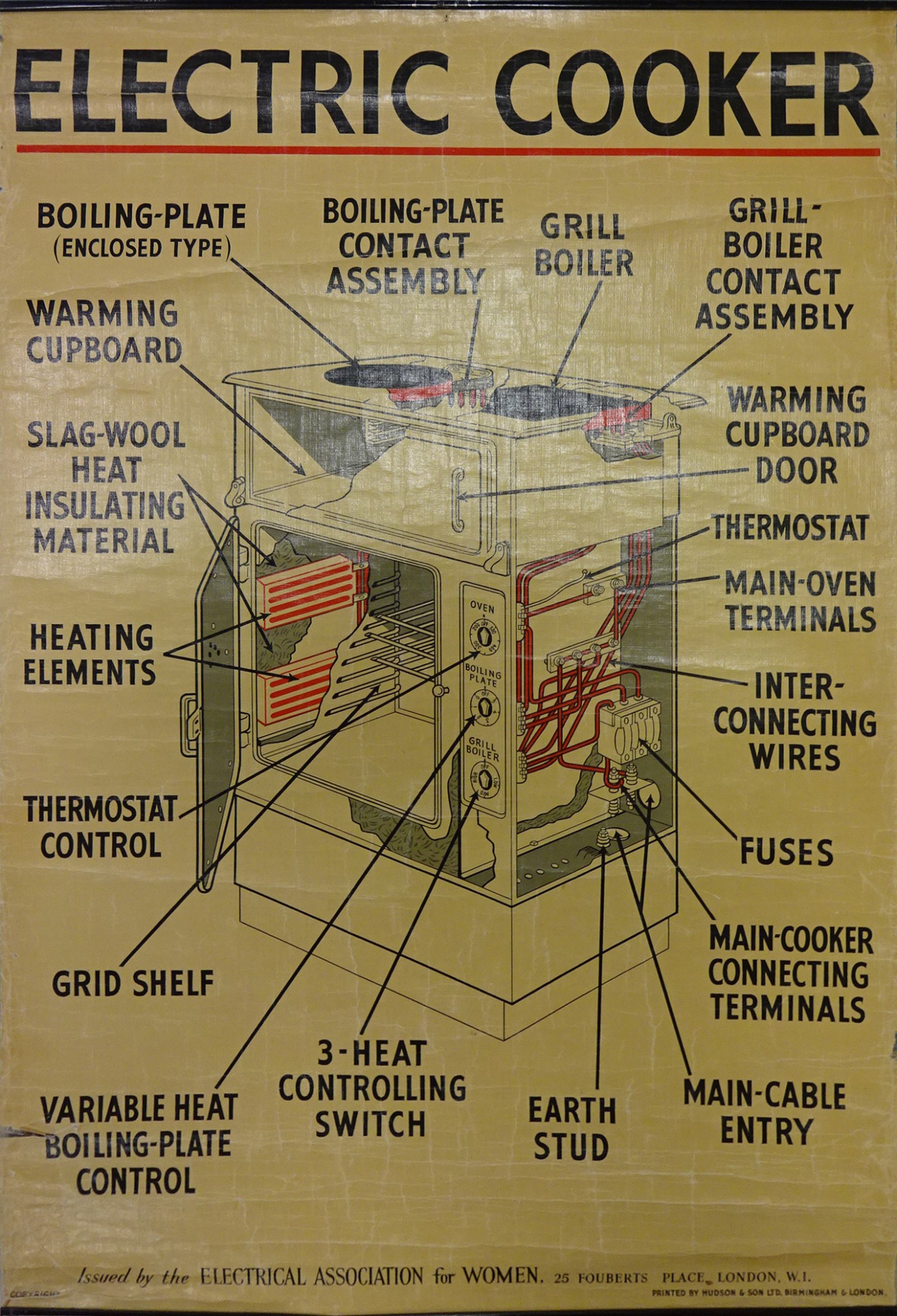
By Anne Locker This is the third blog in a series on the Caroline Haslett correspondence project, looking at the ‘D’ section of the correspondence. For earlier blog posts, see here and here. As Director of the Electrical Association for... Continue Reading →
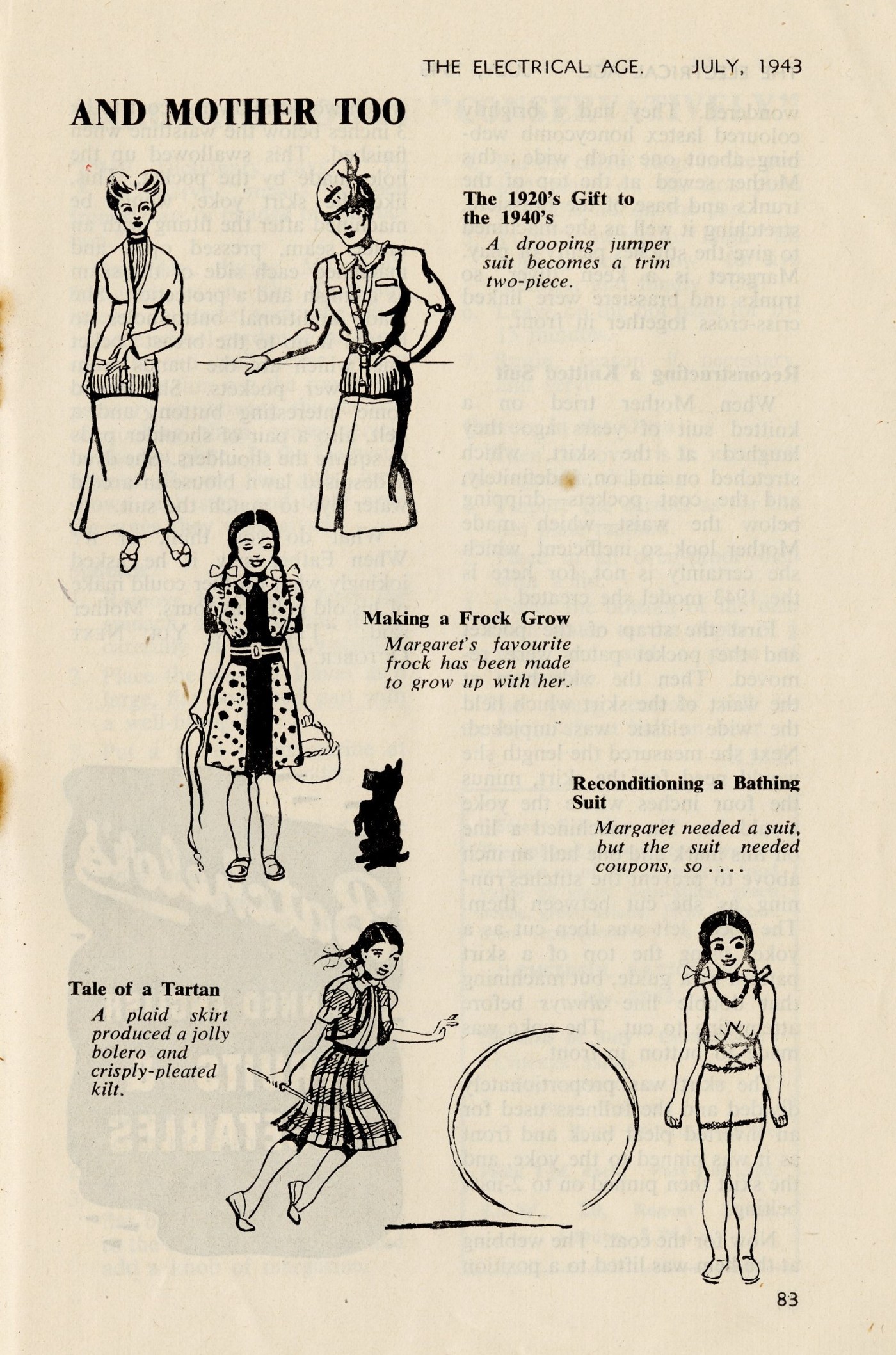
By Aisling O'Malley, IET Archivist The Second World War saw the UK experience shortages in most commodities. From 1939 rationing of items was introduced to the UK, initially this affected goods such as petrol but later affected food and clothes.... Continue Reading →

