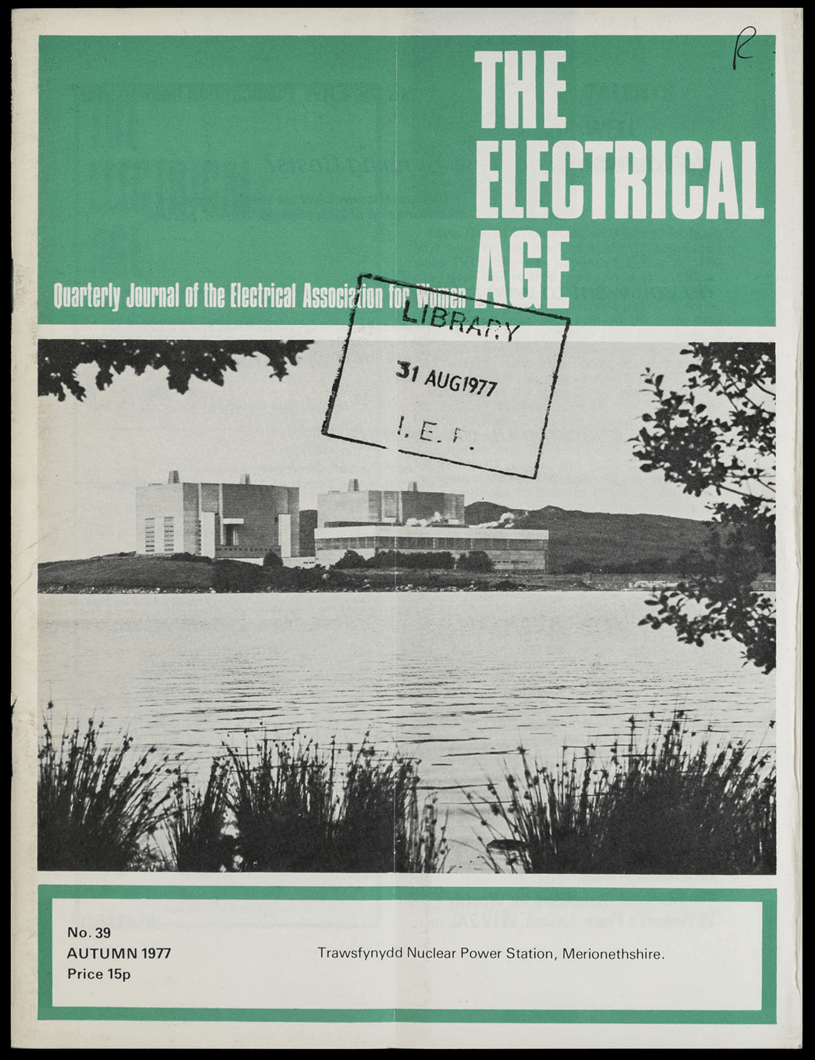
Guest blog by Dr Eleanor Peters. In February 1955, the British Government issued a White Paper announcing its 10-year program for nuclear power stations. The Electrical Association for Women (EAW) responded with unwavering support asserting that ‘the development of nuclear... Continue Reading →
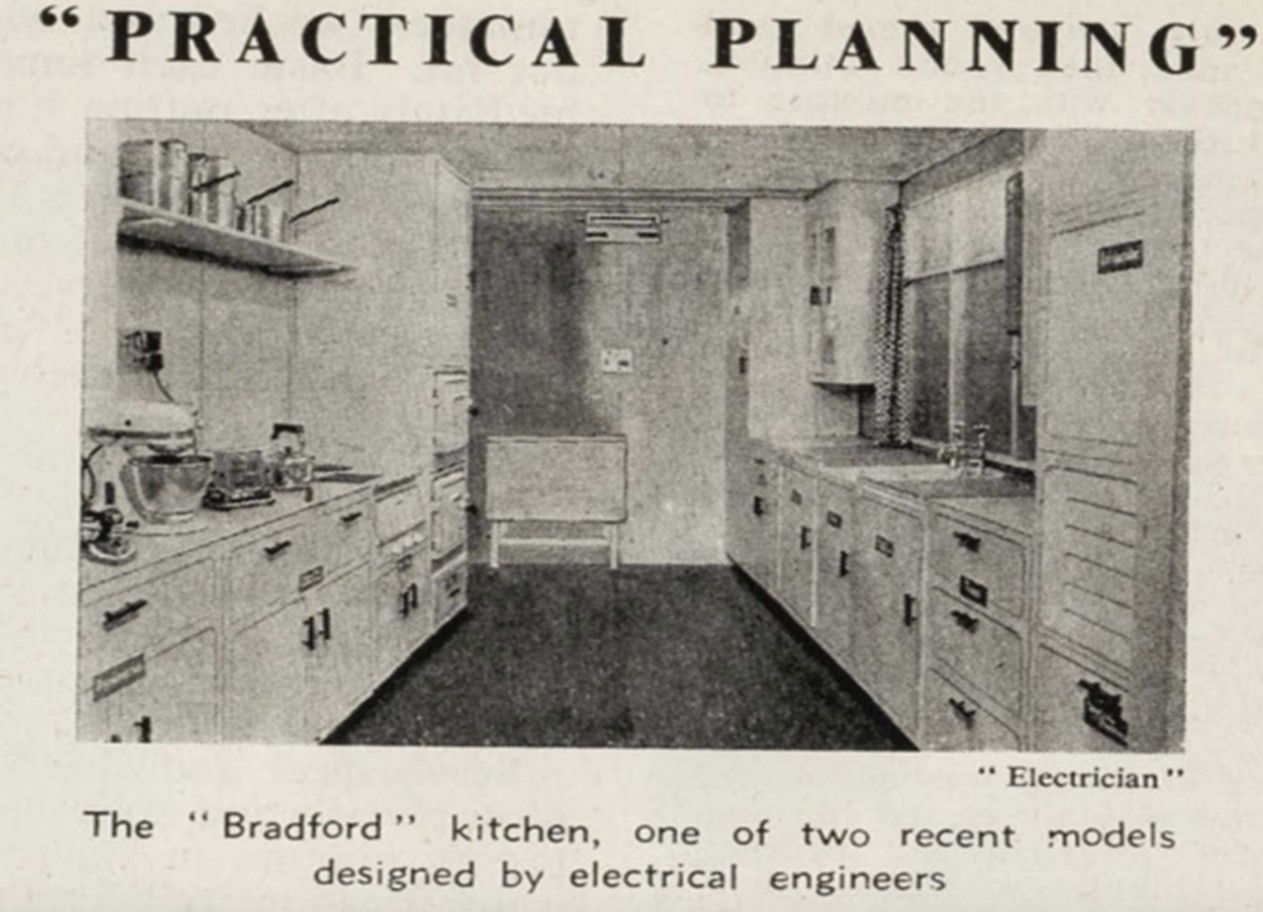
Guest blog by Orla Latham , University of Leeds In this blogpost I show how The Electrical Age magazine published by the Electrical Association for Women (EAW) provides insights into domestic innovation in the latter stages of the Second World War.... Continue Reading →
Guest blog by Anna Lowry, University of Leeds Introduction During the mid-20th century, the concept of electricity was largely unappealing to families and households. While its potential was revolutionary, many regarded it as frighteningly dangerous—people often associated the new technology... Continue Reading →
Guest blog by Madeleine Smith, Emily Raynor, and Isabella Fletcher from the University of Leeds. This is the final in a series of blogs written by Liberal Arts students at the University of Leeds to celebrate the centenary of the Electrical... Continue Reading →

Guest blog by Emily Raynor, University of Leeds This is the fifth of a series of blogs written by Liberal Arts students at the University of Leeds to celebrate the centenary of the Electrical Association for Women in 2024. This... Continue Reading →
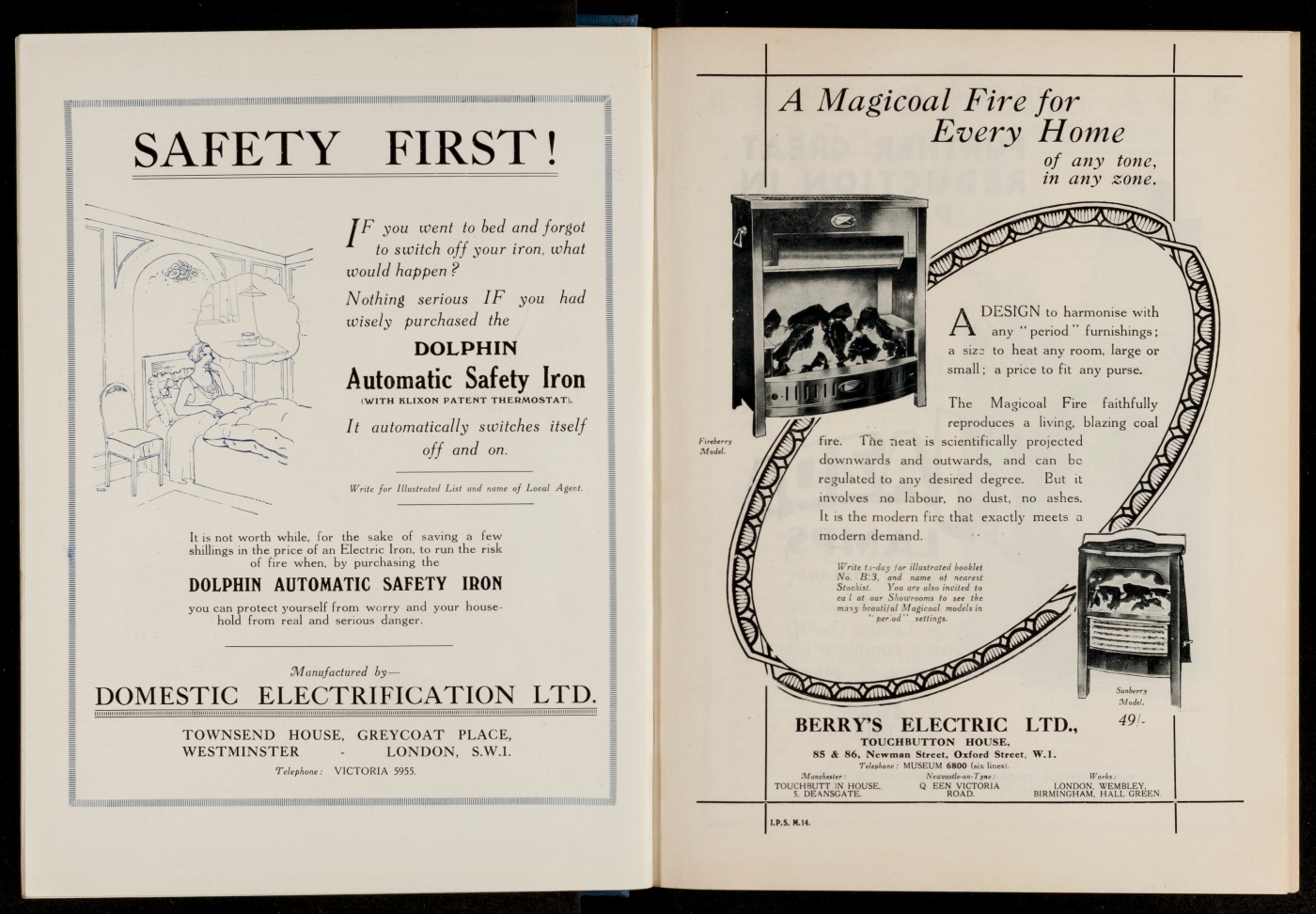
Guest blog by Madeleine Smith, University of Leeds This is the fourth of a series of blogs written by Liberal Arts students at the University of Leeds to celebrate the Electrical Association for Women (EAW) centenary in 2024. This project... Continue Reading →
Guest blog by Emily Raynor, University of Leeds This is the second of a series of blogs written by Liberal Arts students at the University of Leeds to celebrate the EAW’s centenary in 2024. This project has been supported by... Continue Reading →

By Asha Gage, IET Archivist Sir William Armstrong, later 1st Baron Armstrong, was one of the most successful British industrialists and scientists of the 19th century. He turned his vision and inventiveness to his country residence, Cragside, which is situated... Continue Reading →
 IET Archives blog