Guest blog by David Knights FIET
David, a researcher and visitor to the IET Archives, has written this blog about an item he found in one of our collections. Having an interest in his locality and an engineering background, it was the perfect way to combine technical archives with local history. An online copy of the map provided the opportunity to take a better look at it alongside his own collection of images that include some of the fire call points shown on the map.
The Borough of Acton
One of the more unusual items in the IET Archives is a Map of the Borough of Acton showing the location of fire alarms and fire stations dated 1937. The collection also includes similar details of Oxford, Malden and Coombe, Eccles, Luton, Watford, and the British Empire Exhibition (1924/5).
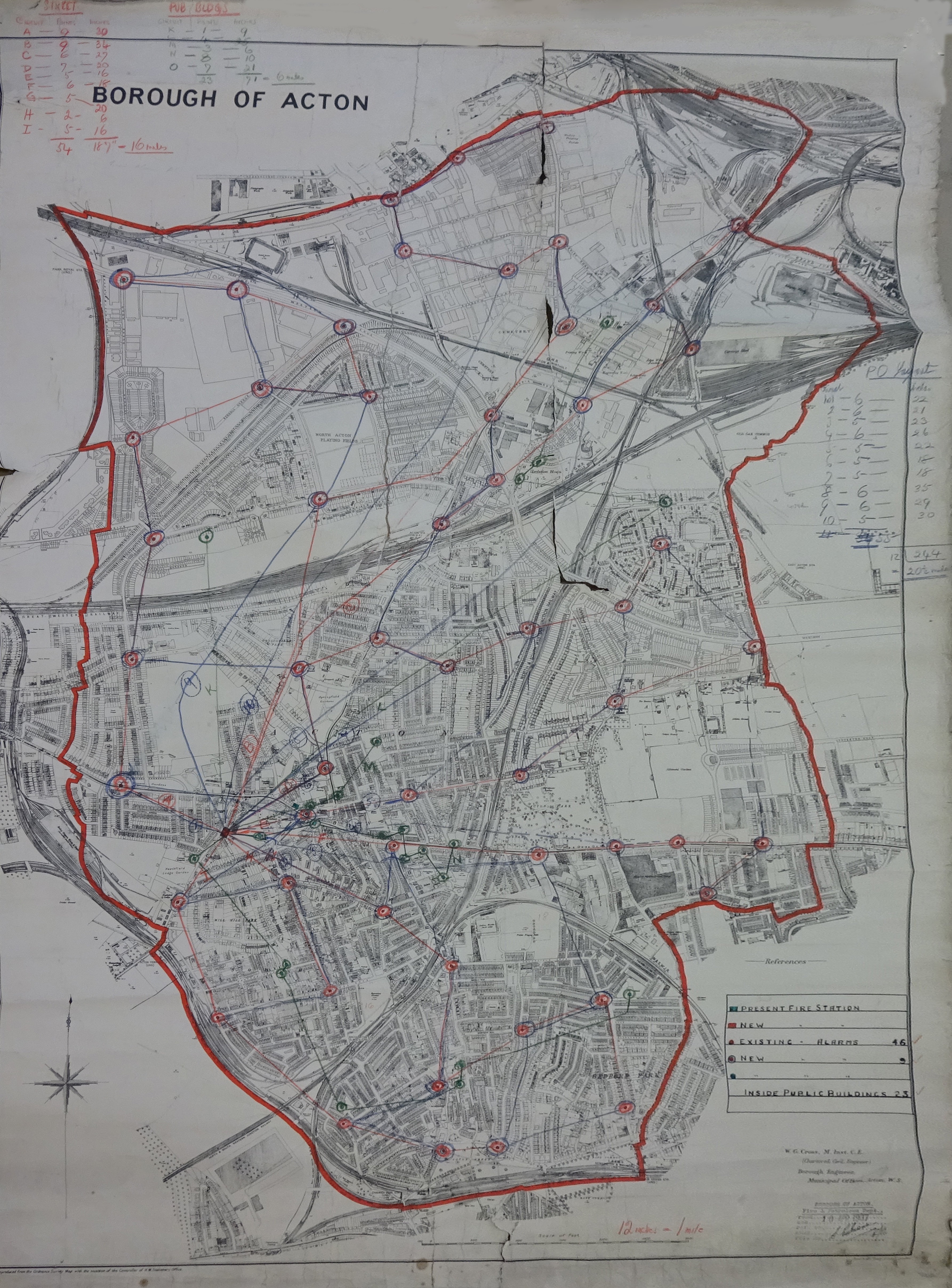
This map of the Borough of Acton includes manuscript additions in colour showing the location of existing and proposed fire alarms, fire stations, and the Post Office system. It belongs to a collection of similar maps prepared for the Walters Electrical Manufacturing Company Ltd. of Kensal Town Telegraph Works, 249–257 Kensal Road, London, W.10. By 1913, the company had installed its alarm systems in a number of towns.
Walter Powles
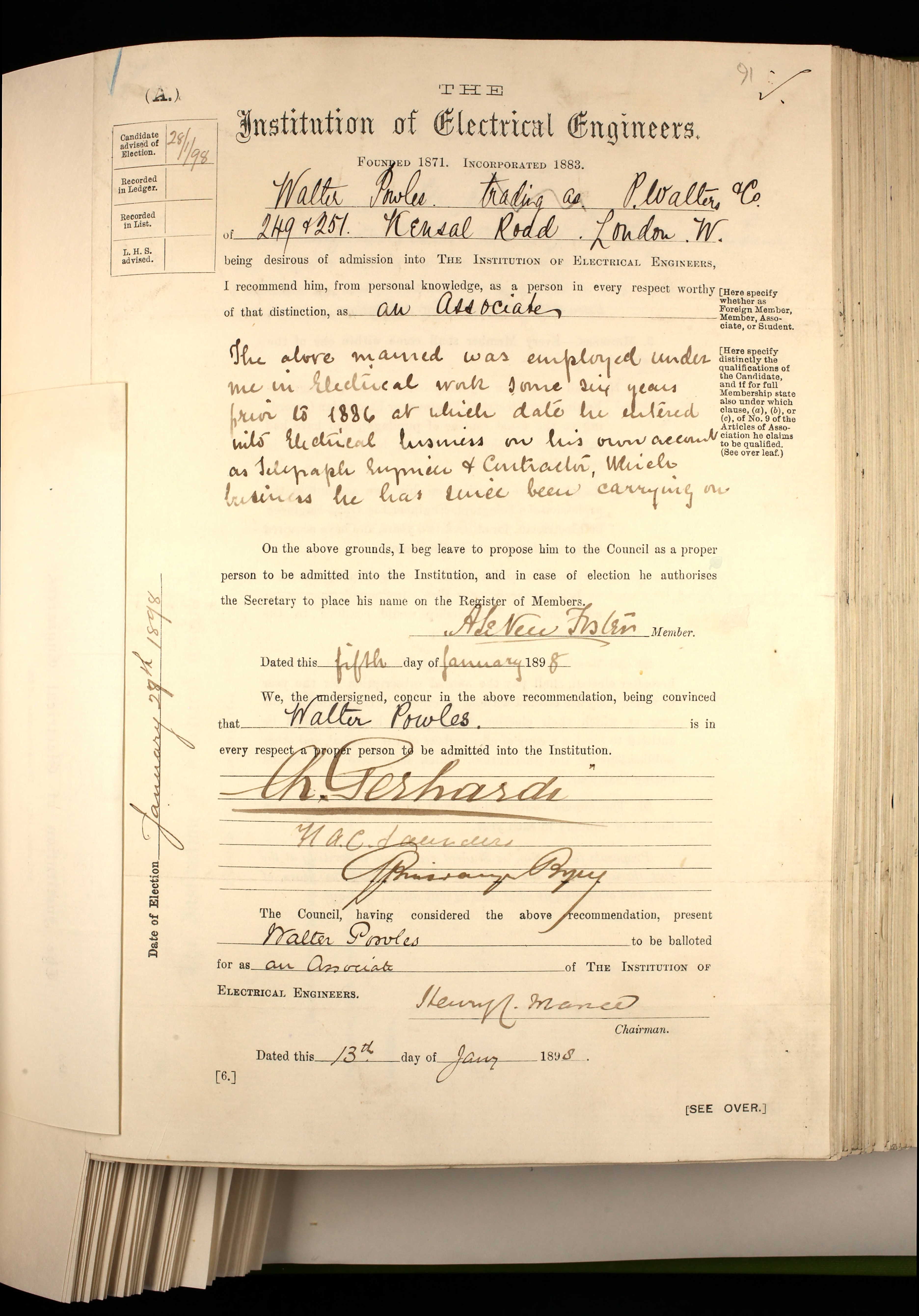
The company was established by Walter Powles, who, after rearranging his name, entered business in 1886 as a “Telegraph Supplier and Contractor” trading as P. Walters and Co. He was elected an Associate of the Institution of Electrical Engineers in 1898, proposed by A. le Neve Foster (Associate. 1873, Member. 1876), a telegraph engineer and early member of the Institution, for whom he had worked for six years.
In 1904, Messrs. P. Walters and Co. published an illustrated catalogue covering telegraph and telephone instruments of all kinds, line material, railway block and signalling apparatus, batteries, linesmen’s tools, and more. In 1907 the company was sold and the name changed to Walters Electrical Manufacturing Co.
A particularly important product was the Powles & Moore (patent) “one wire” railway block instrument, which was sold in quantity to foreign and Indian railways. Its useful feature was the ability to control a double line of railway using only a single telegraph wire between locations, with a battery of 4 – 6 Leclanché cells at each station.
By the 1920s, the company also manufactured a wide range of electrical equipment, including the “Wemco” wireless receiving set, Morse code keys, and “Moore & Knight” Fire Alarm Apparatus.
The West Middlesex Gazette of 21 October 1933 reported on a demonstration of a new alarm system by Mr H. Knight of the Walters Electrical Co., fire telegraph engineers, at the Fire and Ambulance Station in Southall in West London. Invitations were sent to neighbouring brigades, which may have included Acton, although no representative from Acton is noted as attending.
Acton’s First Fire Engine
The Acton Local Board decided to purchase a manual fire engine and escape following a series of fires, culminating in a spectacular blaze in 1867 at the Steyne Mills Steam Laundry. The engine and escape (which cost £135) were delivered in 1868, and a volunteer Fire Brigade was formed. The equipment was housed in a shed at the rear of the church.
By the 1890s, the manual pump was outdated and was mockingly referred to as the “Acton Squirt.” A new Fire Station opened on Wednesday, 12 July 1899, equipped with a steam pump named “Amelia” after the wife of the council chairman. The building was designed by D. J. Ebbetts, the Acton Surveyor. It housed the two engines and an escape (which stood in the front of the tower). The tower also served to dry hoses, store water, and act as a lookout. A flat was provided for the engineer, the brigade’s only full-time employee. There was also a large, panelled room for drills. The building was later extended to house a mortuary and an ambulance. It remained in use until 1939, when it was replaced by the present fire station in Gunnersbury Lane. The old building continued in public use as a civil defence post, then as a dining club for older residents, and is now a church.
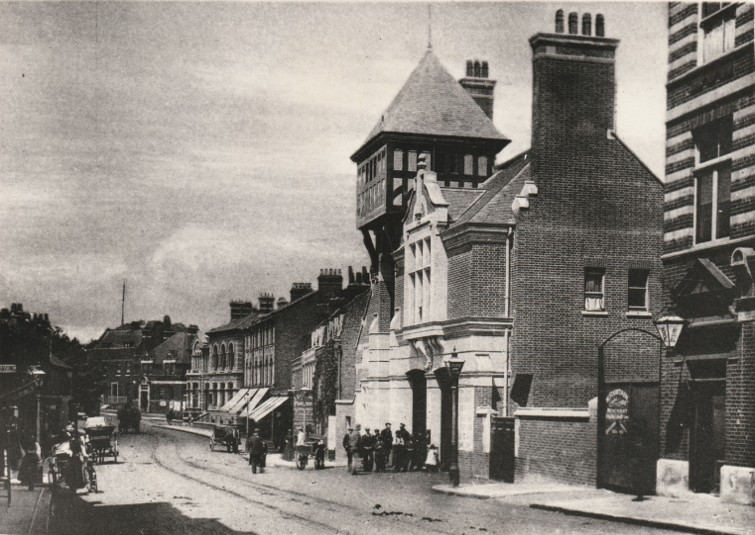
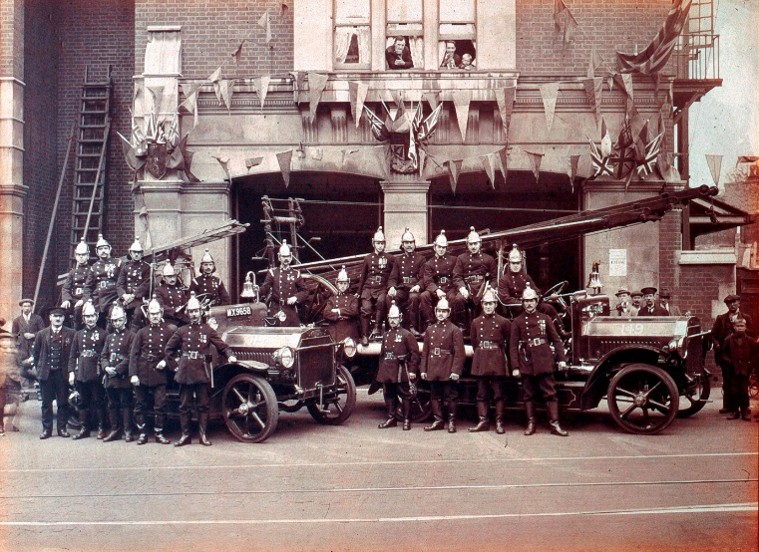
Above L-R: Acton Fire station in about 1900 and Acton Fire Brigade on Charter Day 1921, by which time the fire engines were motorised. Source: Author’s own collection.
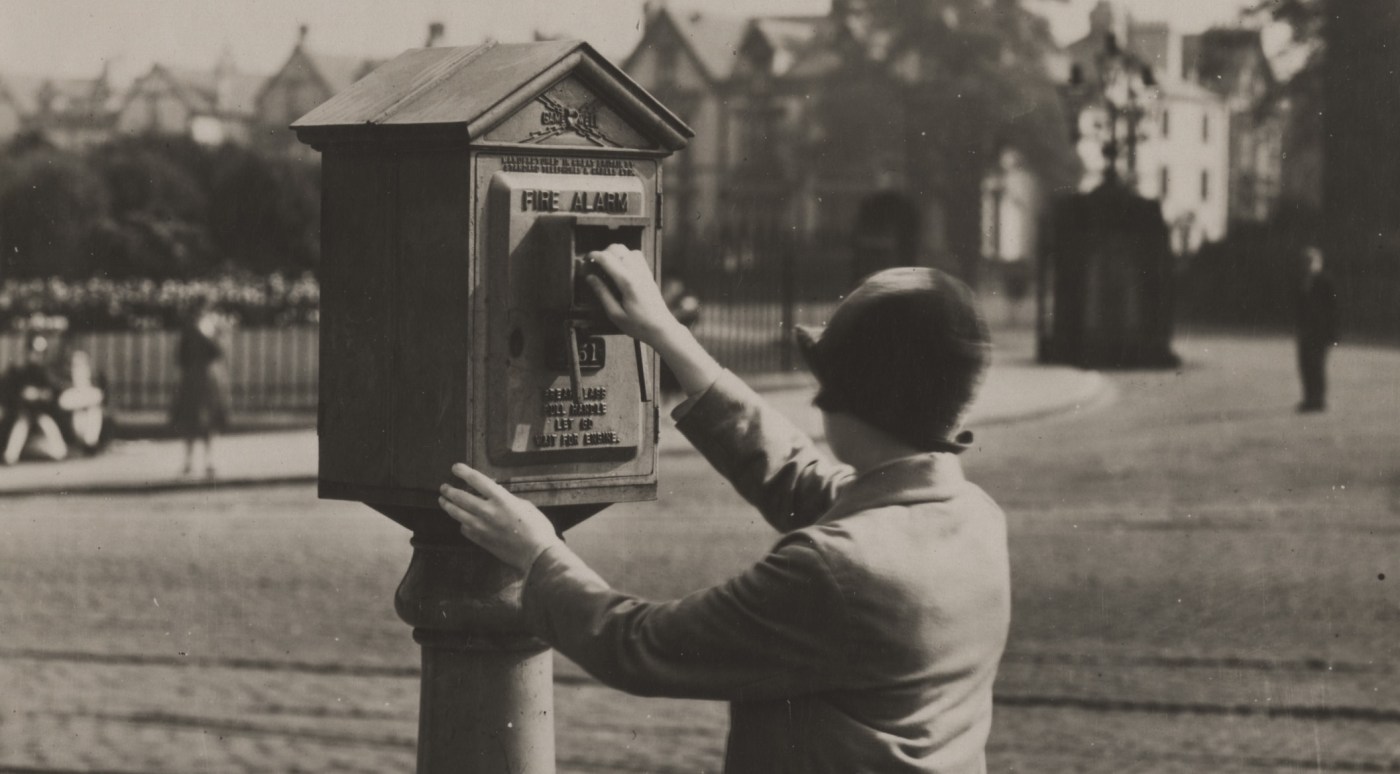
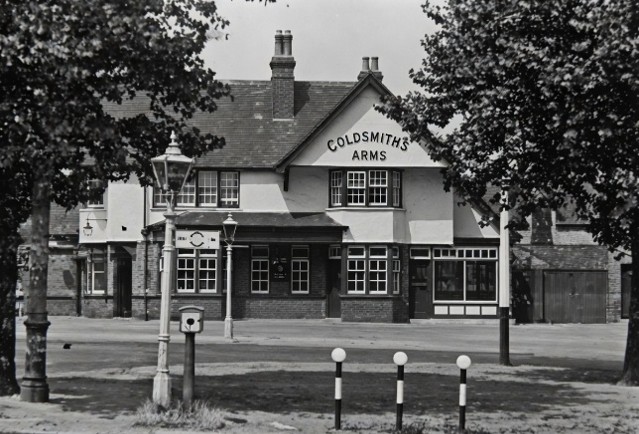
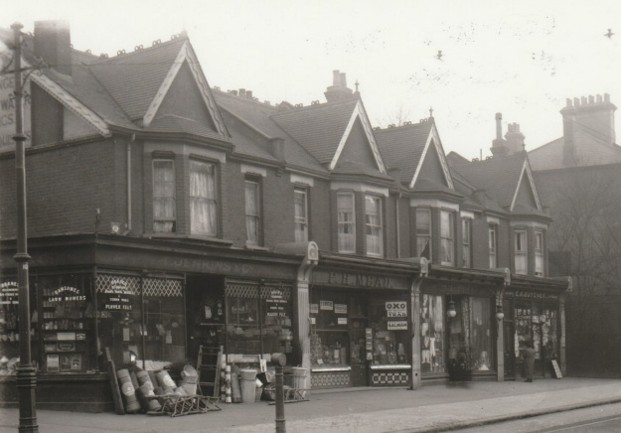
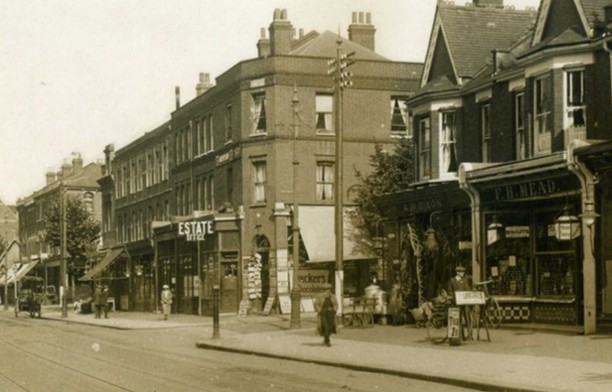
The new station included a “Call Room” to receive calls from electric points situated at strategic locations across the area. When operated, bells sounded in the fire station and indicated the location of the call. Firefighters (who all lived nearby) were alerted by bells wired to their houses. A telephone link was provided to the water pumping station at Brentford to ensure the water main was pressurised. The first nine call points were installed in 1901; by 1931 there were 37. The historic postcard views below show the location of a few of these call points.
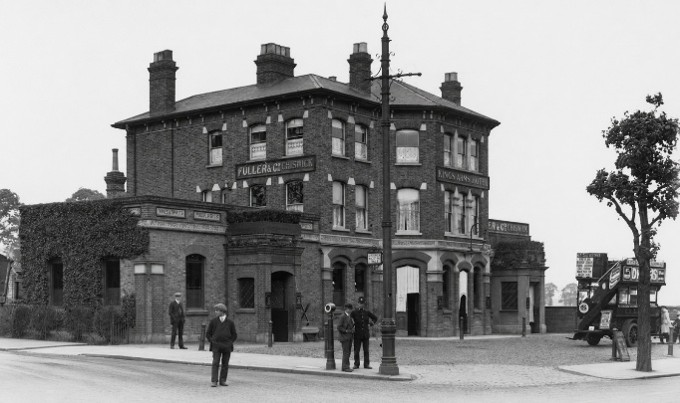
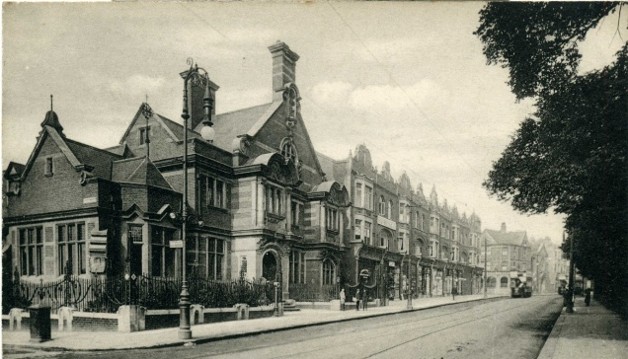
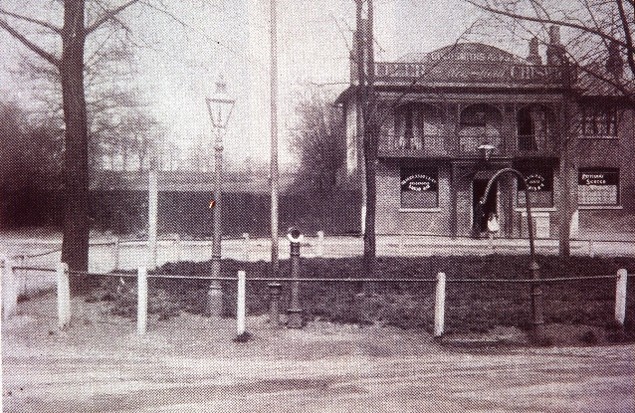
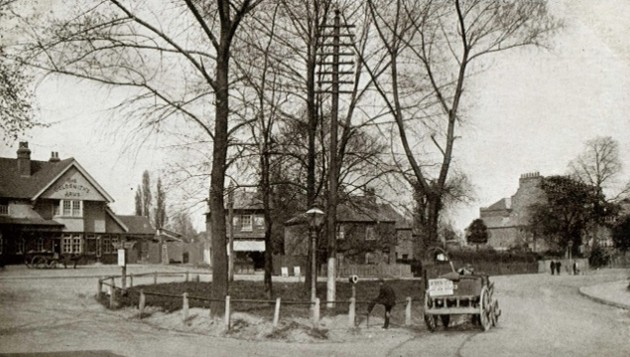
Images Top L-R: Call point outside the Kings Arms Hotel, Acton Vale; Call point to the left of the door outside the Acton Library; The call point on “the triangle” at East Acton before the “Goldsmith’s Arms” was rebuilt in 1910/11.
Middle L-R: The call point on “the triangle” at East Acton (beside the person sitting on the railing) after the “Goldsmith’s Arms” was rebuilt in 1910-1911. The cart is being filled with water for “watering” the roads to keep the dust down; Another view of the call point on “the triangle” at East Acton. This shows that the original installation had been replaced by newer style of call point that included a telephone; Call point in Horn Lane, Acton.
Bottom centre: Another view of the Call point in Horn Lane, Acton.
Source: Author’s own collection.
Acton’s New Fire Station
By the 1930s, the old Fire Station in the High Street had become inadequate for the growing town of Acton. The Acton Fire Brigade was now full-time and equipped with motorised engines and ambulances. A new station was needed.
The new building featured a seven-bay engine house, a 96 ft drill tower, a large parade room (also used for public dances), and an exercise yard. The foundation stone was laid on 3 December 1938, and the station came into use the following September.
The main building provided accommodation for some firemen, while houses for married men and the Chief Officer were built in the adjoining road. A balcony at the rear overlooked the open field (now occupied by a school and housing), where large-scale exercises could be held.
The fire engines were still alerted by street call points, which triggered alarms in the station. The additions to the call system for the new station were estimated at £5,000. Acton Council decided that the charge for private call points (including the one at the swimming baths) should be £3 10s. 6d. per point per annum — the average of Post Office charges for fire alarm and ambulance call boxes in schools, hospitals, cinemas, and the council’s own offices and depots. The alarms operated on a common circuit, but turning or pulling the handle “dialled” the identity of the call point so the engineer at the station could identify the location.
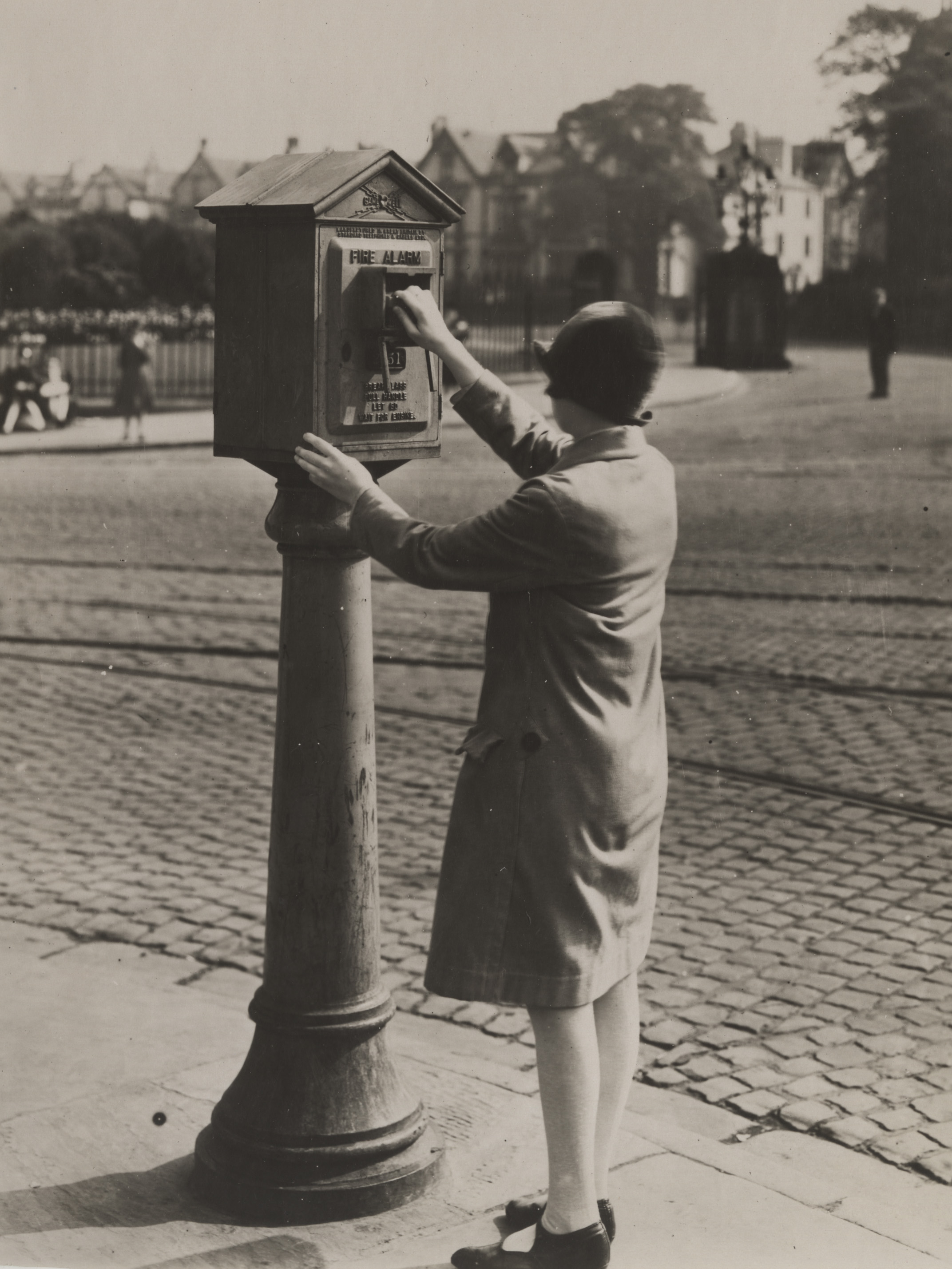
IET Archives NAEST 211/02/05/12/B6432
These call points were essential, as – other than sending a runner to the fire station -there was no easy way to summon the fire brigade. Even into the 1930s, only a relatively small number of premises (usually businesses) had telephones. Acton did not gain its own telephone exchange (ACOrn) until January 1932.
Street fire alarms could be used for hoax calls, so legislation[1] in 1895 made the giving of false alarms of fire a specific offence, with a penalty of up to twenty pounds
Despite Prime Minister Neville Chamberlain’s declaration of “peace for our time” on 30 September 1938, the fire station was built larger than strictly necessary and included a substantial air raid shelter in the basement. The extensions to the alarm-call system included engineering factories in Acton Vale and Park Royal, which would soon support the war effort and therefore become vulnerable to attack.
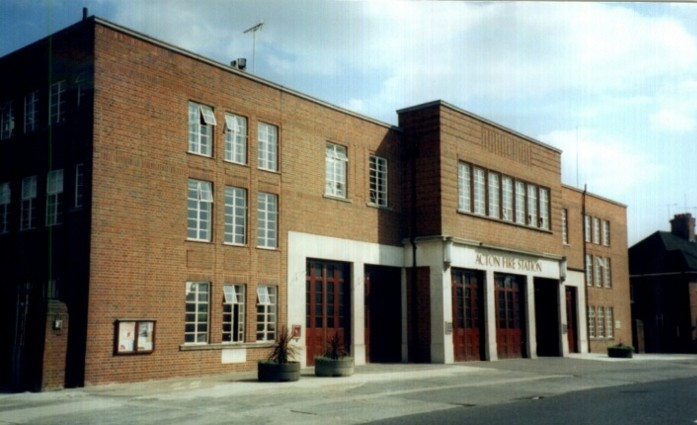
The system was removed in the 1950s as telephones became more widely available. During the war, all fire brigades came under national control. After the war, control of the Acton Fire Brigade passed to the Middlesex Fire Brigade until 1965, when it became part of the London Fire Brigade.
Although no images of the control-room installation at Acton have been located, there is an image in the IET Archives collection of the fire-alarm switchboard at East Ham.
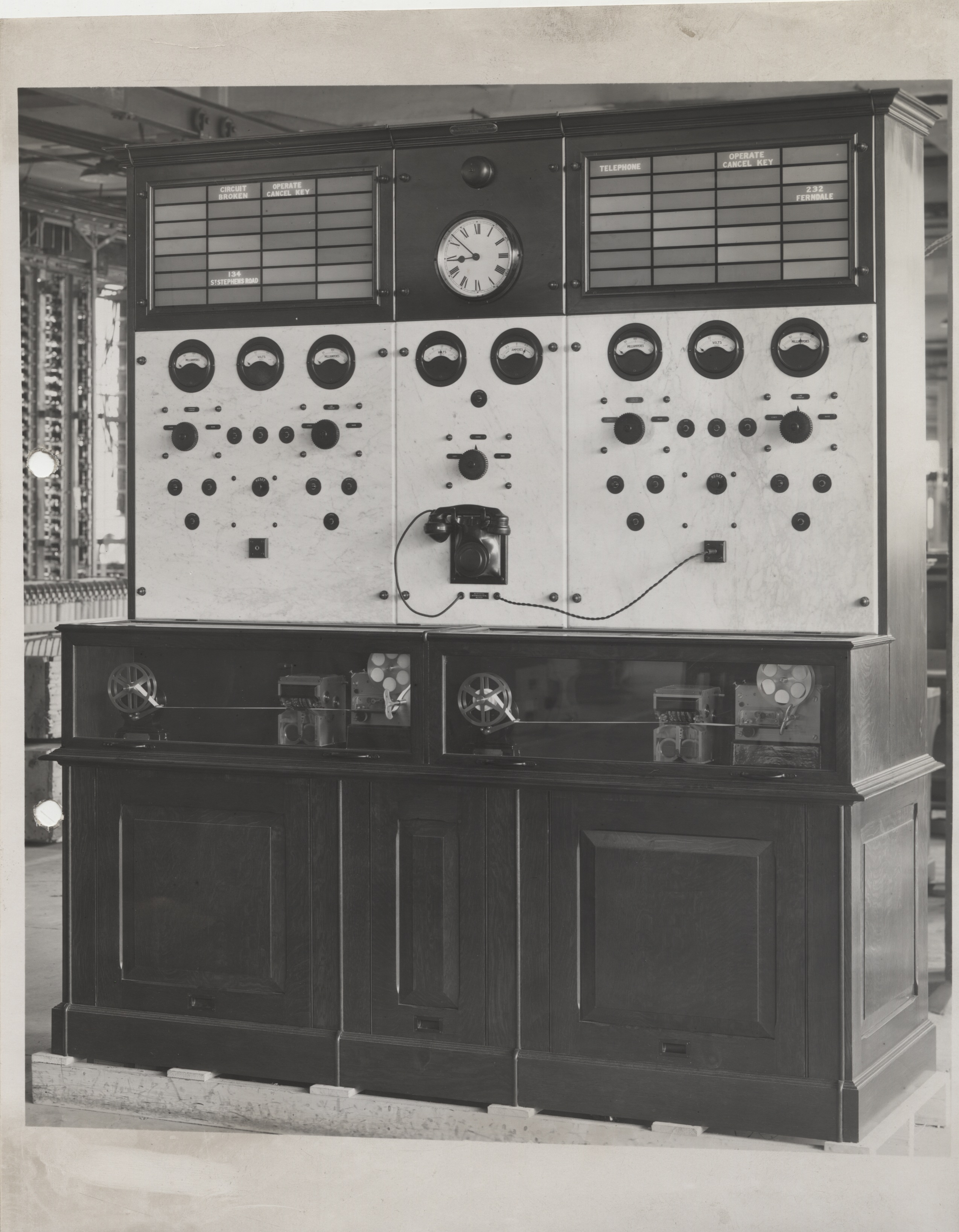
IET Archives ref: NAEST 211/02/07/02
[1] False Alarms of Fire Act 1895


Leave a comment